No inventory upfront
Start without buying stock in bulk.
Print-on-demand guide
Print on demand is a way to sell custom products without buying inventory upfront. A product is made only after a customer places an order, so you can test ideas without committing to deep stock.
With PODJST, you can review the product route, prepare artwork, order a sample, and move approved orders through production, quality checks, packing, and shipping.

Start without buying stock in bulk.
Production begins after an order is confirmed.
Review the real product before a larger launch.
Production, QC, packing, and shipping stay connected.
How it works
Step 01
Step 02
Step 03
Step 04
Good fit
Turn finished artwork into products without funding a large first run.
Explore this routeTest focused product ideas and fulfill confirmed orders as they arrive.
Explore this routePublish repeatable products and keep connected orders in one workflow.
Explore this routeReview samples and coordinate branded products for launches or clients.
Explore this route




Connect Shopify, Etsy, WooCommerce, TikTok Shop, Temu, SHEIN, or your API with no channel integration fee. Product, production, and shipping costs still apply.
Beyond the mockup
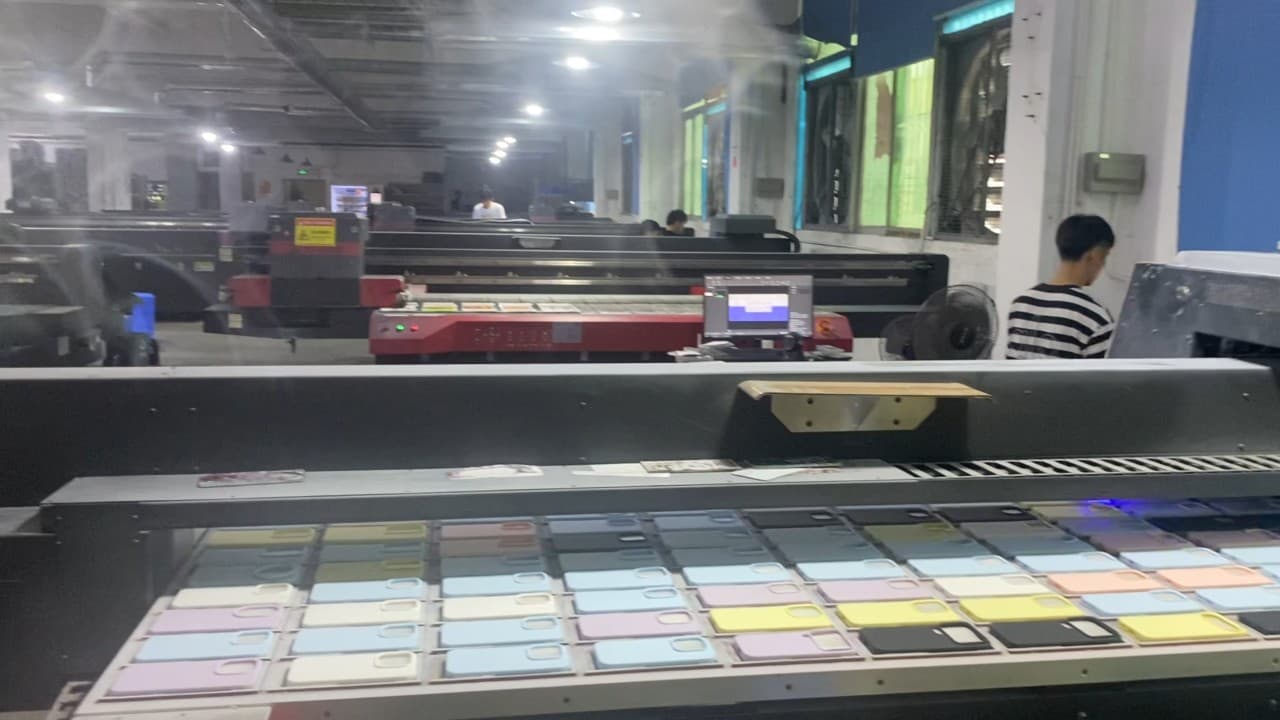
Printing
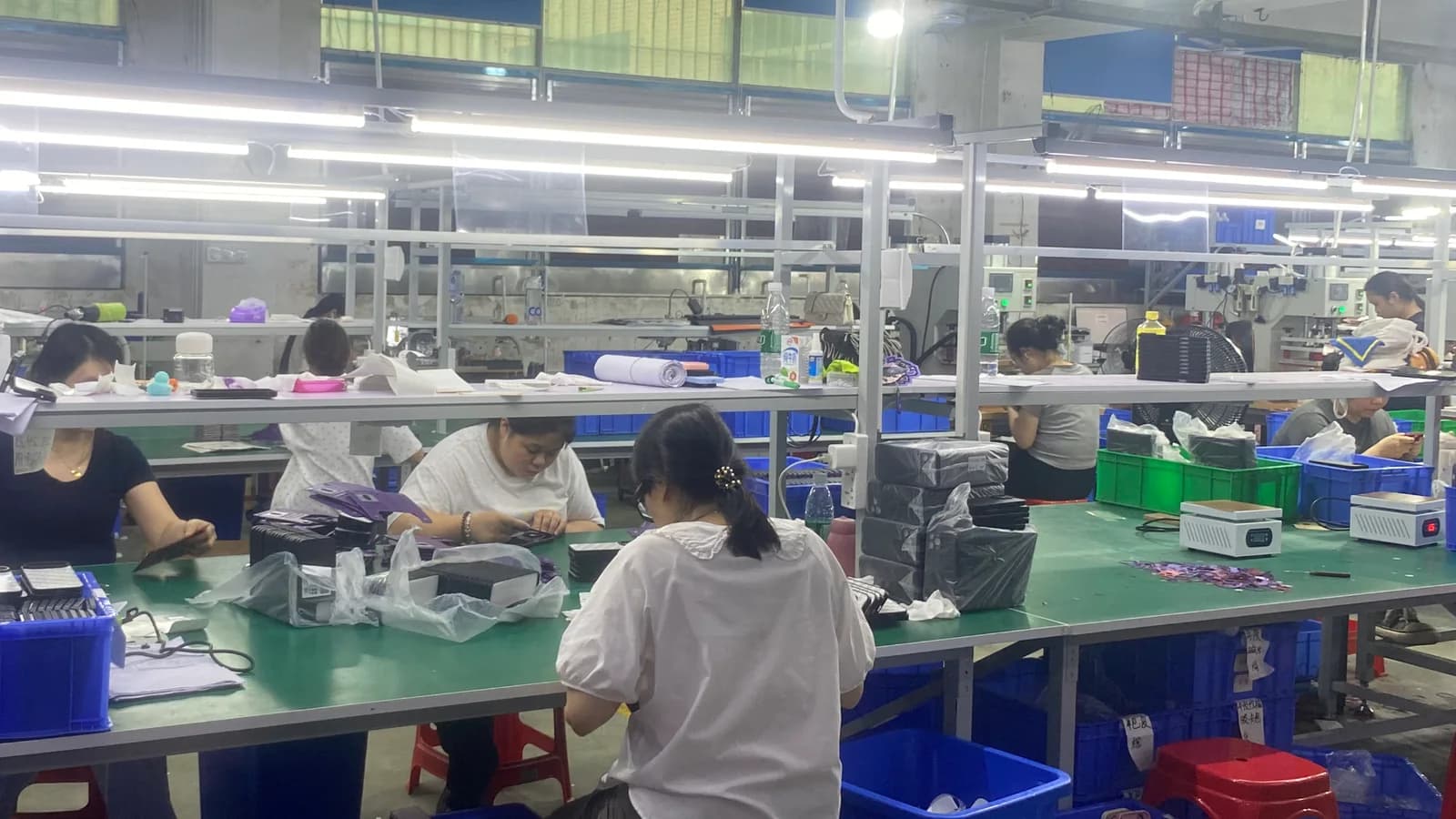
Quality control
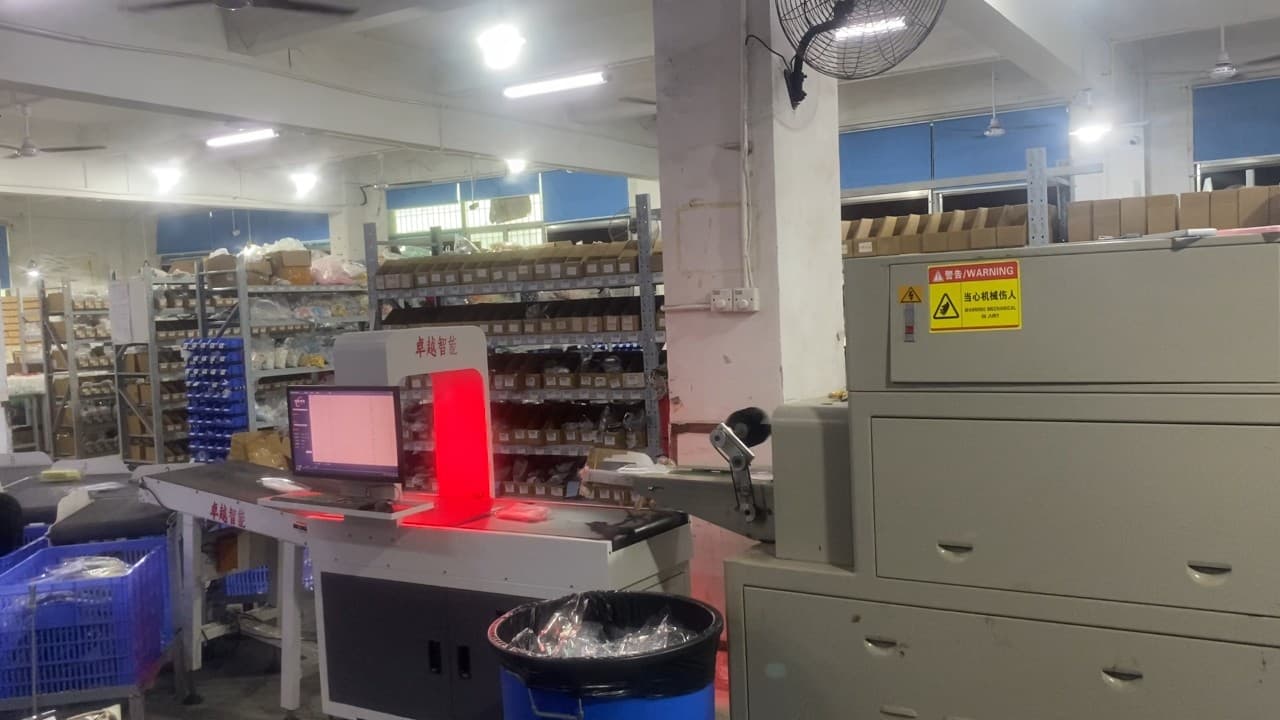
Packing
Clear answers before you choose a product, sample, or fulfillment route.
No. Print on demand is designed to produce a product after an order is confirmed, so you can start without purchasing a large quantity of stock upfront.
