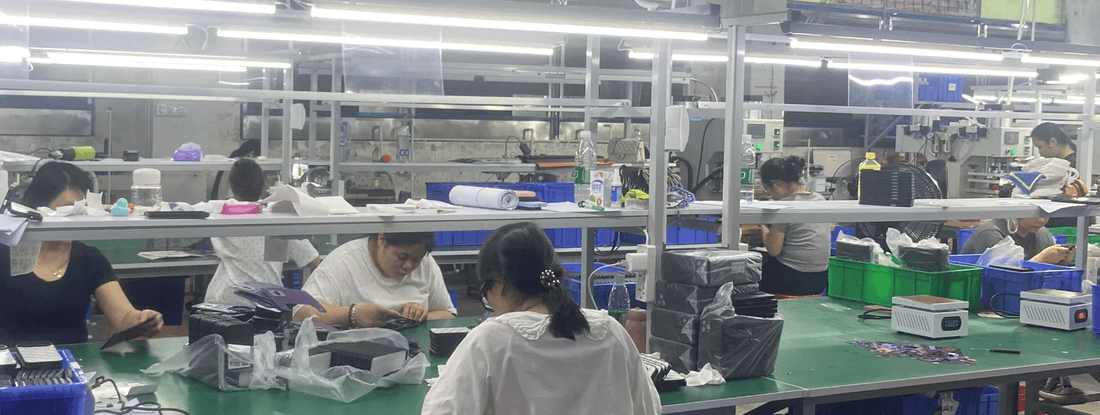
Custom Merch Fulfillment: How Brands Should Plan Production And Delivery
A practical guide to custom merch fulfillment for brands, covering eligible products, artwork, production, inspection, packing, shipping, and customer promises.
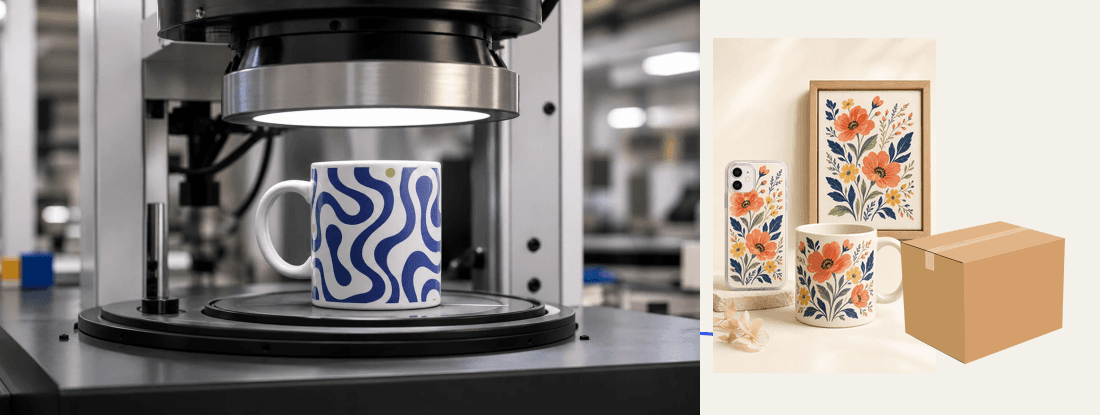
Direct Answer
The short version
Custom merch fulfillment is the operational process that turns a brand's designs into produced, inspected, packed, and shipped customer orders. A strong fulfillment setup starts with eligible products, clear artwork requirements, realistic delivery expectations, and a partner that can handle production quality consistently. PODJST can support eligible custom merch with print-on-demand fulfillment, UV printing where relevant, quality inspection, automatic packing, and supported production routes where available. Exact products, routes, branding options, and platform workflows should be confirmed before publishing promises.What Custom Merch Fulfillment Includes
Custom merch fulfillment is not just shipping. It includes everything between the product idea and the customer's delivered order.
Core steps include:
- Product selection
- Artwork preparation
- Order capture
- Production
- Quality inspection
- Packing
- Shipping
- Tracking and support where available
Each step affects customer experience. A good design cannot fix unclear product eligibility or weak delivery communication.
Start With Eligible Products
Brands should choose products that fit the audience and can be fulfilled reliably. Eligible products, variants, colors, materials, and routes should be confirmed before products go live.
This is especially important for custom items. The more variations a brand offers, the more operational rules it needs.
PODJST content can reference eligible products and supported routes, but should avoid implying that every product is available in every production country.
Artwork Requirements Protect Quality
Custom merch depends on the quality of the file going into production. Product pages and internal workflows should define file size, safe zones, color expectations, personalization fields, and proofing rules when relevant.
For products using UV printing, artwork placement and contrast matter. Sellers should review samples or production-ready previews where possible before scaling.
Inspection And Packing Are Brand Protection
Customers often judge the brand, not the fulfillment partner. Quality inspection and packing are part of protecting that brand experience.
PODJST can discuss quality inspection before packing and automatic packing for eligible orders. It should not invent defect rates, customer outcomes, or guaranteed delivery performance.
Delivery Expectations Need Boundaries
Delivery claims should be written carefully. For eligible products and supported routes, PODJST can support production through its USA, Canada, Germany, Spain, and China network where available.
Estimates depend on artwork readiness, product availability, order volume, carrier capacity, and destination. Those boundaries should appear on product pages, help content, and sales conversations.
Next Step
Define your product list, artwork rules, and customer promises first. Then match them against PODJST's eligible products, supported routes, and fulfillment workflow.
FAQ
Common questions
What is custom merch fulfillment?
It is the process of producing, inspecting, packing, and shipping custom merch orders after customers buy. It can include print-on-demand production for eligible products.
What should brands confirm before selling custom merch?
Confirm product eligibility, artwork specs, printing method, order workflow, packing options, supported routes, shipping estimates, and support responsibilities.
Can PODJST fulfill custom merch?
PODJST can support eligible custom merch production and fulfillment where available, including UV printing for relevant products, quality inspection, and automatic packing.
Is custom merch fulfillment the same as warehousing?
No. Warehousing stores inventory before orders. Print-on-demand custom merch fulfillment produces eligible products after orders are placed.