Personalized Phone Cases With Print-on-Demand
Learn how to sell personalized phone cases with print-on-demand, including design rules, artwork approval, UV printing, fulfillment, and delivery boundaries.
Direct Answer
The short version
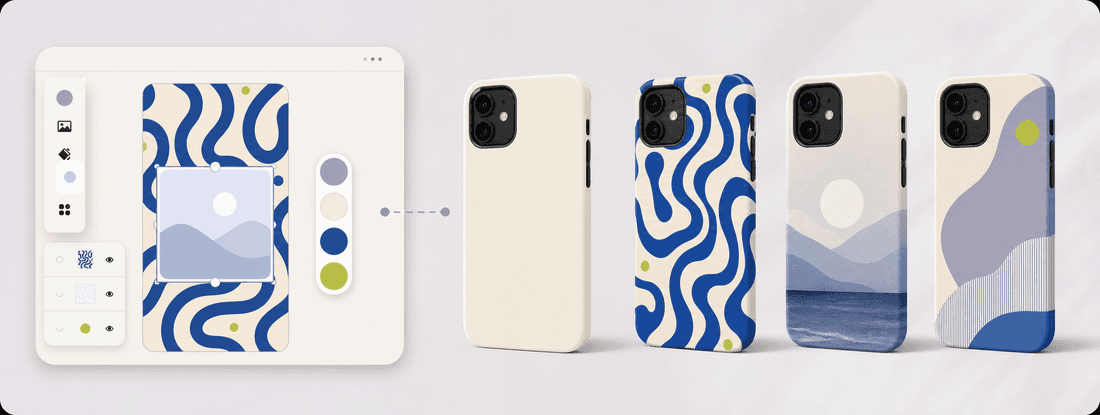
Personalized phone cases with print-on-demand let sellers offer custom names, initials, photos, illustrations, or design variations without holding inventory. The seller collects the personalization details, prepares artwork for the correct phone model, and sends eligible orders into production after purchase. PODJST can support eligible personalized phone case fulfillment with UV printing where relevant, quality inspection, automatic packing, and supported production routes where available. The key is to define artwork rules, revision limits, product eligibility, and delivery expectations before selling.Why Personalized Phone Cases Sell
Personalized cases feel more specific than generic designs. They can work for gifts, couples, pet owners, family roles, teams, creators, and niche communities.
The product is easy for buyers to understand, but the fulfillment setup needs discipline. A name typed incorrectly, a photo cropped badly, or a design placed too close to an edge can turn into a support issue.
Choose Simple Personalization First
Beginners should start with personalization formats that are easy to repeat.
Good starting formats include:
- Name or initials
- Short phrase
- Date
- Simple monogram
- Limited color choices
- One-photo layout with clear crop rules
Complex illustration, heavy editing, and unlimited revisions can work later, but they are harder to scale.
Confirm Product And Model Eligibility
Personalized phone cases depend on the exact product. Before publishing, confirm which models, case styles, materials, finishes, and routes are eligible.
This is especially important when the same design is offered across several phone models. Artwork may need to be adjusted for camera openings, case edges, and printable areas.
PODJST content should state product and route limitations clearly instead of implying that every phone model can be personalized everywhere.
Set Artwork Approval Rules
The seller should decide whether customers receive a proof before production. If proofs are offered, the listing should explain how many revisions are included and when the order moves into production.
If proofs are not offered, the personalization form must be very clear. Customers should know exactly how names, dates, photos, or text will appear.
That matters because print-on-demand production starts after the order is submitted. Late changes may not be possible once production begins.
Fulfillment And Quality Checks
For eligible products, PODJST can support production steps such as UV printing, quality inspection, automatic packing, and supported route handling where available.
Inspection can help catch visible issues before packing, but it should not be described as a guarantee of perfect color, perfect customer-submitted photos, or guaranteed delivery time.
Next Step
Choose one personalization format, confirm eligible phone case models and artwork specs, then test a small product set before offering broad customization.
FAQ
Common questions
Can I sell personalized phone cases without inventory?
Yes. Print-on-demand can produce eligible personalized phone cases after each order, which reduces inventory risk. Sellers still need clear artwork rules and fulfillment expectations.
What personalization works best for phone cases?
Names, initials, short phrases, dates, simple monograms, and clean photo layouts are easier to manage than unlimited custom design requests.
Can PODJST fulfill personalized phone cases?
PODJST can support eligible personalized phone case production and fulfillment where available. Product models, artwork rules, routes, and production estimates should be confirmed before launch.
How should I handle customer mistakes?
Set clear input rules, proof rules, and revision limits before purchase. Make it clear when changes are no longer possible after production starts.