White Label Print-on-Demand Guide For Online Brands
A practical guide to white label print-on-demand, including branding, product selection, packaging, fulfillment, limitations, and when it fits an online brand.

Direct Answer
The short version
White label print-on-demand lets a brand sell custom products without presenting the fulfillment provider as the customer-facing brand. The seller owns the storefront, product positioning, customer relationship, and brand experience, while the fulfillment partner produces, packs, and ships eligible products after orders are placed. It can work well for online brands, creators, and niche communities, but only when product availability, branding options, packaging rules, supported routes, and delivery expectations are confirmed before launch.What White Label Print-On-Demand Means
White label POD is not the same as inventing a product from scratch. In most cases, the fulfillment provider already supports a product type, and the brand adds artwork, product positioning, and customer experience on top.
The brand may control:
- Storefront and product page
- Product name and description
- Artwork and design direction
- Customer support tone
- Packaging or insert options, where available
- Post-purchase communication
The fulfillment partner handles production and shipping for eligible products. The exact level of branding depends on the provider, product, route, and packaging capabilities.
White Label vs Private Label
White label and private label are often confused. A simple distinction helps:
- White label usually means selling supported products under your brand with custom artwork or presentation.
- Private label often implies deeper product customization, dedicated specifications, or more control over manufacturing details.
In POD, the line can blur. That is why the article and landing page should define what PODJST actually supports instead of using either phrase loosely.
If a capability needs confirmation, mark it as Need confirmation before publishing.
When White Label POD Is A Good Fit
White label POD is a good fit when the brand wants to test or expand products without buying inventory upfront. It works especially well for creators, online brands, artists, events, and communities that already have an audience or design direction.
It is less suitable when a brand needs full manufacturing control, unique materials, strict retail packaging, or guaranteed delivery times across every destination. Those requirements may need a different production model or a custom agreement.
Good-fit scenarios include:
- Testing a new merch line
- Adding accessories to an existing store
- Selling creator or fan products
- Launching limited design collections
- Expanding without warehouse inventory
What To Confirm Before Launch
Before a brand publishes white label POD products, confirm the operating details.
Key questions:
- Which products are eligible?
- Which customization options are supported?
- Can the brand use custom packaging or inserts?
- What routes are supported?
- How are orders submitted?
- How are artwork files checked?
- What happens when a product is unavailable?
- How are tracking and customer updates handled, where available?
This information should shape product pages and support scripts.
How PODJST Can Support A White Label Workflow
PODJST can be positioned around practical production and fulfillment support: eligible product production, UV printing where relevant, quality inspection, automatic packing, and multi-country production through the USA, Canada, Germany, Spain, and China where available.
The most credible white label content should focus on what buyers can verify:
- Product samples
- Print quality
- Inspection process
- Packing workflow
- Supported local routes
- Product limitations
- Clear delivery estimate language
Do not overstate branding options. If custom packaging, inserts, labels, or platform integrations vary by product or route, say so.
White Label POD Workflow
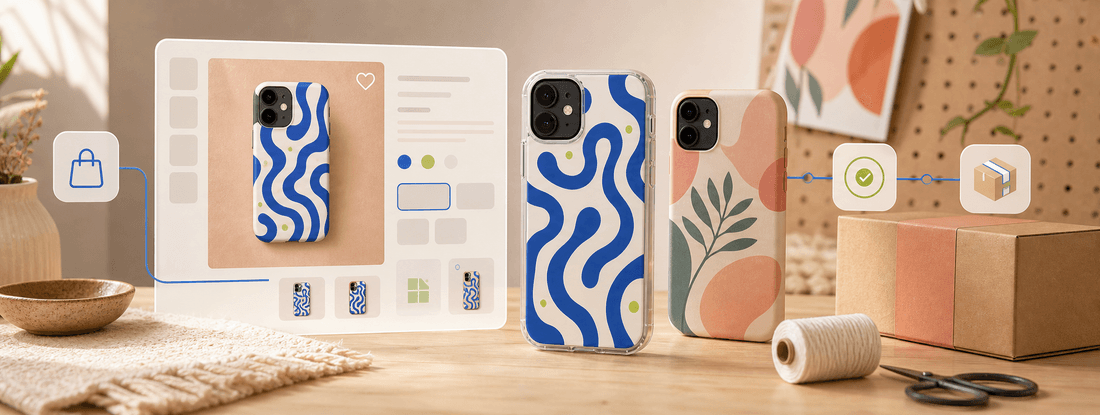
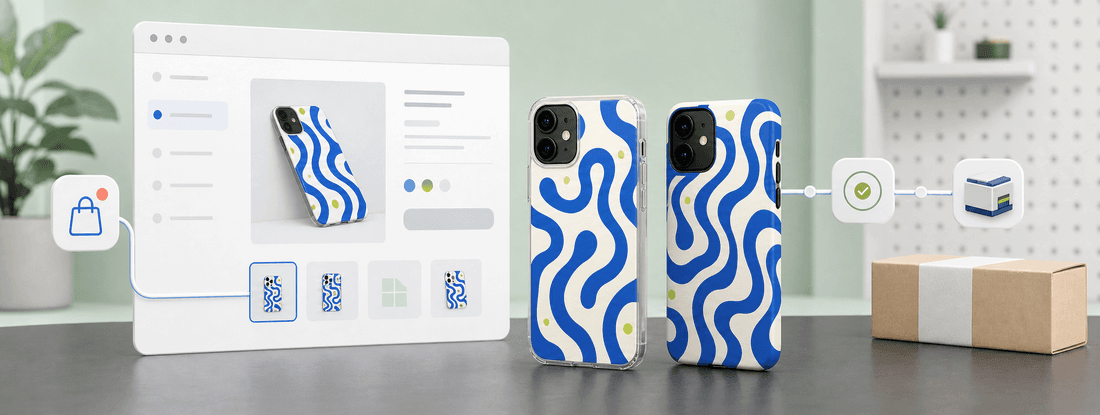
A typical white label POD workflow looks like this:
- Choose eligible products.
- Prepare artwork and product information.
- Confirm branding and packaging options.
- Publish product pages.
- Receive customer orders.
- Send or route order details to fulfillment.
- Produce the item after purchase.
- Inspect the product before packing.
- Pack and ship through supported routes.
- Share tracking where available.
Each step should have an owner. The brand owns customer-facing promises. The fulfillment partner owns production execution for supported products and routes.
Pricing And Margin Considerations
White label POD pricing should include production, customization, packaging options, shipping, platform fees, payment fees, support, discounts, and returns. If the brand uses paid ads or creator commissions, those costs also need room in the margin.
Avoid guaranteed profit language. A better approach is to show the cost categories and explain how brands should model margin before launch.
Next Step
List the products you want to sell, confirm which are eligible, and decide how much brand control you need over packaging and customer experience. Then compare that requirement against PODJST's supported fulfillment options before publishing the offer.
FAQ
Common questions
Is white label print-on-demand the same as dropshipping?
Not exactly. Both can avoid holding inventory, but white label POD usually focuses on custom products sold under the seller's brand. Dropshipping can include generic products that are simply shipped by a third party.
Can I use custom packaging with white label POD?
It depends on the product, route, packaging option, and fulfillment setup. Confirm supported packaging before publishing any customer-facing promise.
Is white label POD good for creators?
Yes, when creators already have an audience and want to test merch without buying inventory upfront. They still need strong designs, clear pricing, and realistic delivery expectations.
Can PODJST handle white label fulfillment?
PODJST can support eligible print-on-demand production and fulfillment workflows. Specific white label options, packaging, integrations, and routes should be confirmed before launch.