White Label vs Private Label Print-on-Demand
Understand the difference between white label and private label print-on-demand, when each model fits, and what to confirm before launching.
Direct Answer
The short version
White label print-on-demand usually means selling supported products under your own brand while a fulfillment partner produces and ships orders behind the scenes. Private label print-on-demand usually implies more control over product specifications, branding, packaging, or exclusive presentation. In practice, the terms can overlap, so sellers should define the exact product, branding, packaging, order workflow, and supported routes before launch. PODJST content should explain what is confirmed rather than using either label as a vague promise.The Simple Difference
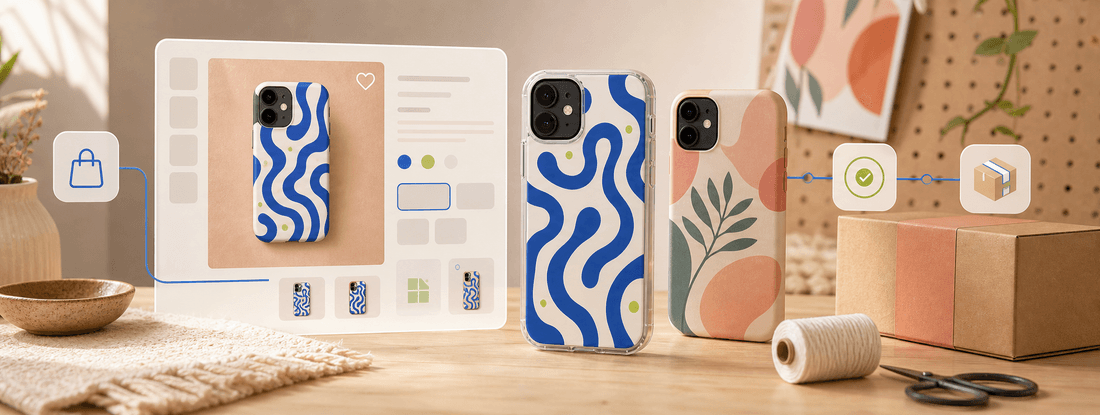
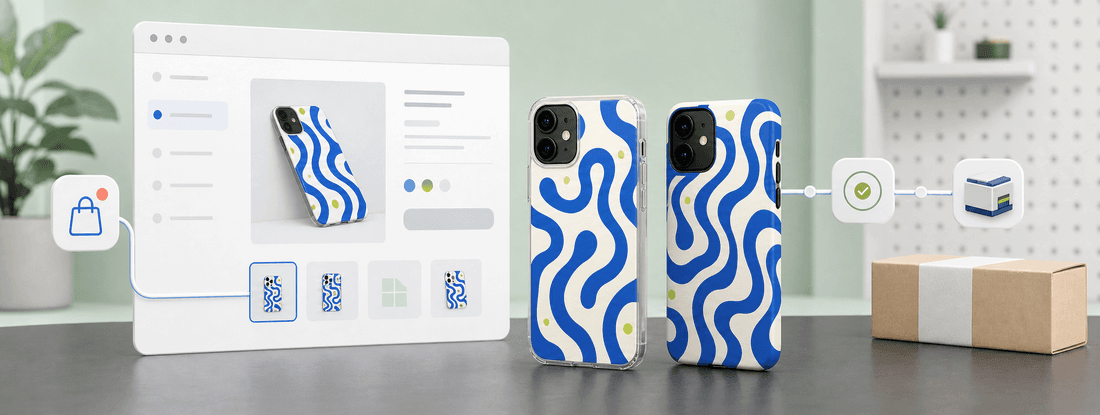
White label is usually about customer-facing brand control. The product may come from a supplier's supported catalog, but the shopper experiences it as part of the seller's brand.
Private label usually suggests deeper ownership or customization. That might include more control over materials, packaging, positioning, product bundles, or exclusive variants.
In print-on-demand, the difference is often practical rather than legal. A seller should ask: what exactly can I control, and what is fixed by the fulfillment partner?
What White Label POD Usually Includes
White label POD can include:
- Seller-owned storefront and product pages
- Seller-owned brand voice and customer relationship
- Custom artwork on eligible products
- Generic or brand-aligned packing where available
- Fulfillment handled after each order
The seller does not usually hold inventory. The fulfillment partner produces and ships eligible products after purchase.
This model can work well for creators, niche stores, small ecommerce brands, and campaigns that need to test demand before buying stock.
What Private Label POD May Include
Private label POD may involve more product or presentation control, but sellers need to verify the details. The term can mean different things depending on the provider.
It may include:
- More specific product requirements
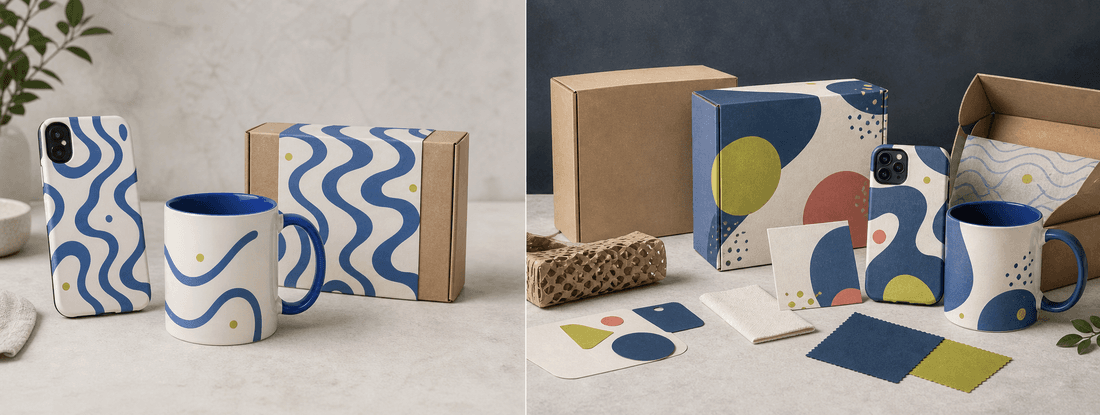
- Custom packaging or inserts where available
- Brand-focused product bundles
- A more controlled customer experience
- A closer operational relationship with the supplier
Do not assume private label means full custom manufacturing. In POD, many products still come from a supported catalog with defined production rules.
Which Model Fits Your Store?
White label can be the better fit when:
- You want to launch quickly
- You need low inventory risk
- You sell designs, creator merch, or niche products
- You can work within supported product options
Private label can be the better fit when:
- Brand presentation matters heavily
- Packaging or product control affects price
- You have enough demand to justify more setup work
- You need a more specific product experience
The right choice depends on the business model, not the label.
What To Confirm Before Publishing Claims
Before writing product pages or ads, confirm:
- Which products are eligible
- Which customization options are supported
- Whether UV printing applies to the product
- What packaging options are available
- Whether inserts, labels, or branded packing are supported
- Which countries and routes are available where applicable
- How tracking is handled where available
- What production estimates depend on
For eligible products and supported routes, PODJST can support production through its USA, Canada, Germany, Spain, and China network where available. Production and delivery estimates depend on artwork readiness, product availability, order volume, carrier capacity, and destination.
Why The Distinction Matters For SEO And Sales
Customers and business buyers search both terms, but they may mean different things.
Someone searching "white label print on demand" may want a fast way to sell under their own brand. Someone searching "private label print on demand" may care more about product ownership, packaging, or differentiation.
The best content answers both intents clearly. It should not stuff both terms into the same page without explaining the operational difference.
Next Step
Define how much control your brand needs over product, packaging, and customer experience. Then confirm which PODJST products, routes, and branding options are supported before choosing a white label or private label offer.
FAQ
Common questions
Is white label the same as private label?
No, not exactly. White label usually focuses on selling supported products under your own brand. Private label usually implies more product or brand control, though the terms can overlap in POD.
Which is better for beginners?
White label is often easier for beginners because it can use supported products and lower inventory risk. Private label may fit better once the seller has clearer demand and stronger brand requirements.
Can PODJST support white label or private label workflows?
PODJST can support eligible print-on-demand production and fulfillment workflows. Specific branding, packaging, product, integration, and route options should be confirmed before publishing claims.
Should I use both terms on one page?
Yes, if the page explains the difference clearly. Use one primary keyword and let the other term support the buyer education instead of forcing both into every section.